Mining produces valuable minerals for human use, but the waste it produces is a longstandingproblem. WU Aixiang, a professor of mining engineering and an Academician of the Chinese Academy of Engineering, has extensively researched the issue and found a process known as paste backfill, which transforms the tailings, left after the target minerals are removed from the ore, into paste and then fill them back into the underground voids created by mining. This technology has helped about 200 mines around the world to reduce their waste by up to 70%.
Currently, tens of billions of tonnes of waste tailings from mines are held back by dams around the world ― and they are still piling up. The clean energy infrastructure that cities and countries are racing to build for a sustainable society demands huge amount of raw materials, the majority of which need to be mined. While discussion about climate change focuses on the need for solar panels, wind turbines, and electric vehicles, dealing with existing waste tailings is another important part of protecting the environment and obtaining clean energy.
WU and his team have been working on the problem of waste tailings management for nearly 20 years. They have designed a complete system which includes preparing the paste by mixing the tailings with a binding material, filling the underground voids created by ore removal, and monitoring the paste in long term. This approach removes the need for tailing dams at the land surface. The tailings are backfilled to the underground, which avoids hazards like ground subsidence or dam failure, while reducing the significant cost for building and managing tailing dams on the ground.
WU’s research shows that paste backfill can save more energy and resources compared with traditional methods, as it eliminates several other processes. Cement is often used as a binder in traditional tailing treatment measures, while Wu and his team have found more economical but equally effective materials from other industries, such as slag from smelters or fly ash, slashing emissions by avoiding carbon-intensive cement.
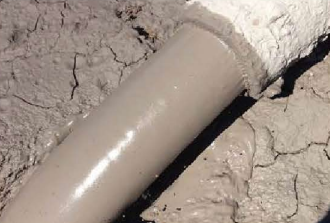
As mining usually take places in remote areas with limited infrastructure and unique mineral composites, paste backfill comes with many challenges. The paste should not leak water, but must also be fluid enough to be pumped in pipe lines. Since no two mines produce the same tailings, the physical and chemical properties vary greatly. It is necessary to design mine specific solutions for each project. “We are prepared for any conditions,” says WU, “We need to be able to handle whatever we are given.”
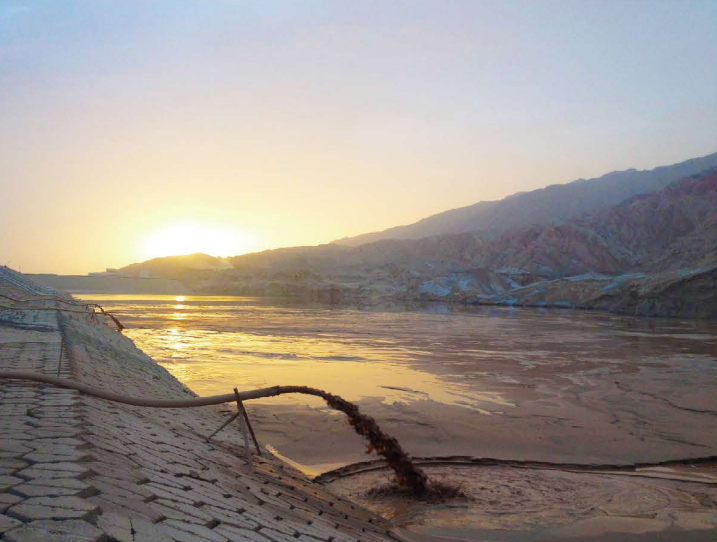
WU's team has designed a controllable preparation method to combine waste tailings and other materials into paste, a systematic approach to produce paste continuously, and a pipe transportation system to move the paste to target underground voids.Using artificial intelligence, WU’s team is now working on a new smart method to adjust the whole tailing process to local sites, and make it easier for the monitoring and management of paste backfill.
The widespread adoption of paste backfill has improved mining efficiency, and at the same time helped reduce waste, bringing a brighter future for clean energy infrastructure.