Critical minerals such as copper, lithium, nickel, cobalt and rare earth elements are essential components from wind turbines and solar panels to electric vehicles and battery storage. Demand for critical minerals is set to almost triple by 2030 as the world transitions from fossil fuels to clean energy.
Shallow mineral resources have been almost exhausted thus deep mining is the coming future for critical minerals supplies. However, high in-situ stress in deep earth induces rock instability, high consumption in support materials and dynamic disasters, posing a huge challenge for safe and sustainable mining [1,2]. It becomes extremely critical to know the stress field for controlling the rock mass and preventing disasters in deep mines.
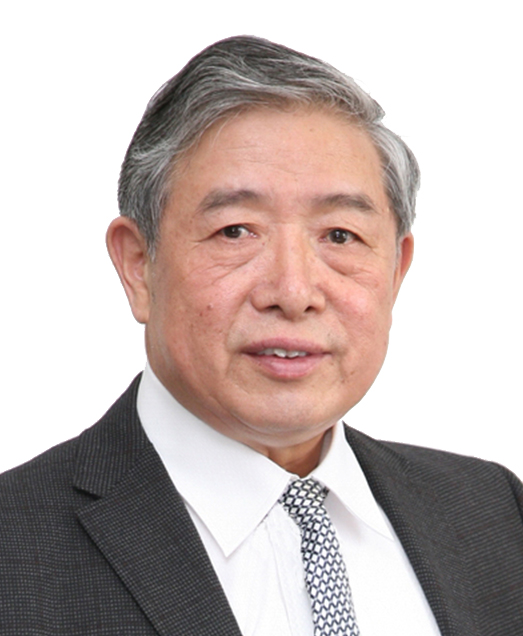
“Minerals in deep earth drive the clear energy transitions while in-situ stress in deep earth drives rock deformation and failure”, says CAI Meifeng, Fellow of Chinese Academy of Engineering and Professor in the School of Resources and Safety Engineering at USTB. CAI’s team at USTB have worked on the In-situ Stress Measurement and Stress-driven Mining techniques (ISMSM) for 35 years.
Under the leadership of CAI, USTB have developed four generations of =ISMSM techniques since the 1990s. The basic principle of CAI’s ISMSM is overcoring method which involves drilling a borehole, then drilling a smaller pilot hole at the base, and installing a strain gauge rosette [3]. The instrumented section is then isolated by overcoring with a larger drill bit, relieving the stress. By measuring the deformation of the rock core after stress relief, and knowing the rock’s deforamtion properties, the in-situ three-dimensional stress tensor can be calculated.
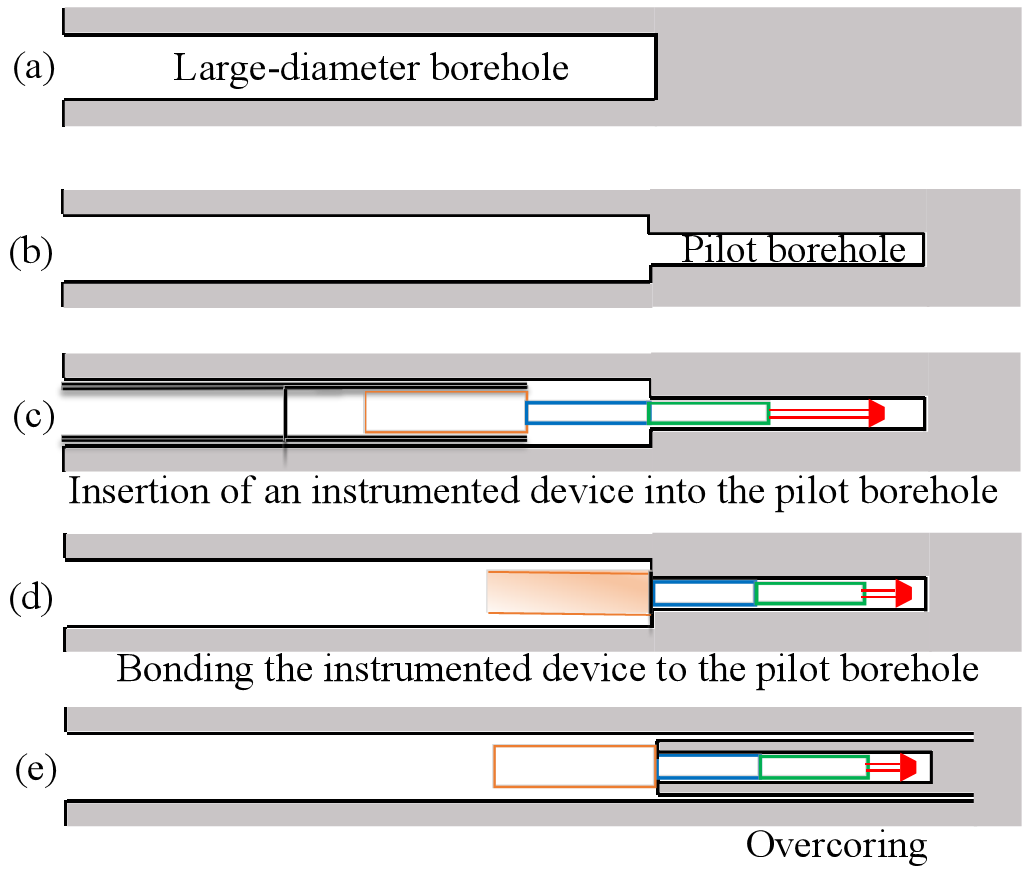
Overcoring in-situ stress measurement method
ISMSM 1.0 first took the effect of environmental temperature on strain gauge error into consideration and developed a high-precision strain-resistance-voltage conversion device which eliminated the measurement error from temperature. ISMSM 2.0 first regarded deep rock mass as non-linear and developed a non-linear deformation theory for the calculation of in-situ stress by the recorded strain data. ISMSM 3.0 developed a wireless measurement device which significantly the measurement efficiency. Now, ISMSM 4.0 can continuously measure the in-situ stress and three-dimensional disturbed stress which makes timely rock disasters forecast possible.

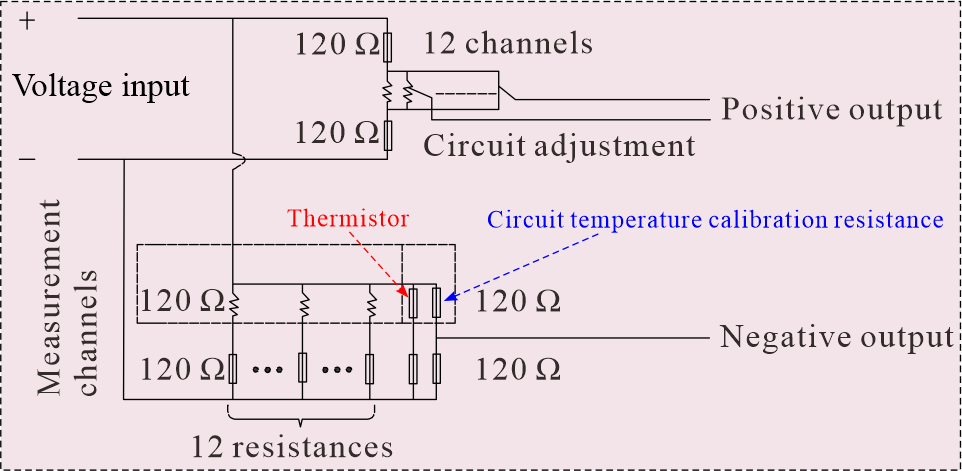
ISMSM 4.0
The four generations of ISMSM techniques have made great achievement in China’s mining industries and other rock engineering. The stresses in more than 100 field sites including deep mines, high railway tunnels, nuclear waste disposal tunnels were measured with a high accuracy. In particular, CAI’s team recently conducted the in-situ stress measurements in China’s deepest metal mine at -1600 m, deepest mine shaft at -1500 m, deepest coalfield at -1100 m and deepest sub-sea mine at -1400 m.
The accurate measurement of in-situ stress provides a key to the design of mining method, the support of tunnels and the prevention of disasters. In 2024, the accurate in-situ stress measurement has been written into a mandatory regulation in China (KA/T 22—2024) and ISMSM techniques were recommended.
The mining depth worldwide will rapidity increase in the near future, which poses new challenges in the accuracy, convenience, adaptability for ISMSM. CAI and his team are making efforts to develop next-generation ISMSM technique for mining over 2000 m depth. New non-linear theories for rock and disruptive innovations are required and being studied at USTB for going to the deep earth. “USTB has played a leading role in deep metal mining and is responsible to address key challenges in deep mining in the future”, says CAI.
REFERENCES:
[1] Cai, M. et al.Engineering.3(4), 432-433 (2017). https://doi.org/10.1016/J.ENG.2017.04.027
[2] Cai, M. et al. Engineering, 7(11), 1513-1517 (2021). https://doi.org/10.1016/j.eng.2021.07.010
[3] Li, P. et al. ,Engineering,46, 9-15 (2025). https://doi.org/10.1016/j.eng.2024.12.010
蔡美峰院士照片