THE STEEL INDUSTRY’S CARBON REDUCTION REVOLUTION: LOW-CARBON SOLUTIONS FROM USTB’S LABORATORY TO GLOBAL INDUSTRY
USTB RESEARCHERS PIONEERS HYDROGEN-BASED REDUCTION AND SELF-REPAIRING BLAST FURNACES, CUTTING CO2 EMISSIONS AND EXTENDING EQUIPMENT LIFESPANS
Steel production accounts for 6.7% of global CO₂ emissions, with ironmaking alone responsible for 70% of this footprint. As nations race toward carbon neutrality, traditional blast furnaces face existential challenges. At the University of Science and Technology Beijing (USTB), the team led by Prof. ZHANG Jianliang delivers a triple breakthrough—hydrogen reduction, low-rank coal injection, and self-repairing blast furnaces—now deployed more than 30 plants worldwide.
HYDROGEN REVOLUTION: FROM THEORY TO MASS PRODUCTION
ZHANG’s group pioneered three transformative hydrogen pathways to decarbonize steelmaking, starting with hydrogen-enriched blast furnaces that achieved a 21wt% carbon reduction at Baowu’s industrial HyCrof furnace. Further, they developed coke-oven gas direct reduction (CSDRI), partnering with Shanxi Zhongjin Metallurgy to construct the world’s first dedicated shaft furnace (300 kt·a−1 capacity) using 100% coke-oven gas. This innovation cuts annual CO₂ by 300000 t while yielding 92wt% pure iron briquettes. Finally, their proprietary hydrogen-based smelting reduction (CISP) process, deployed at Jianlong Group’s Inner Mongolia plant, uses hydrogen to reduce iron oxides, achieving a 38wt% reduction in SO2/NOx and complete dioxin elimination.
“China’s coke-oven gas—a byproduct emitting 2 × 10¹¹ m³·a−1—is our hydrogen lifeline,” ZHANG explains. His monographs Non-Blast Furnace Ironmaking and Primary Exploration of Hydrogen Metallurgy 1 (the field’s first global publication) provide the scientific backbone for these projects.
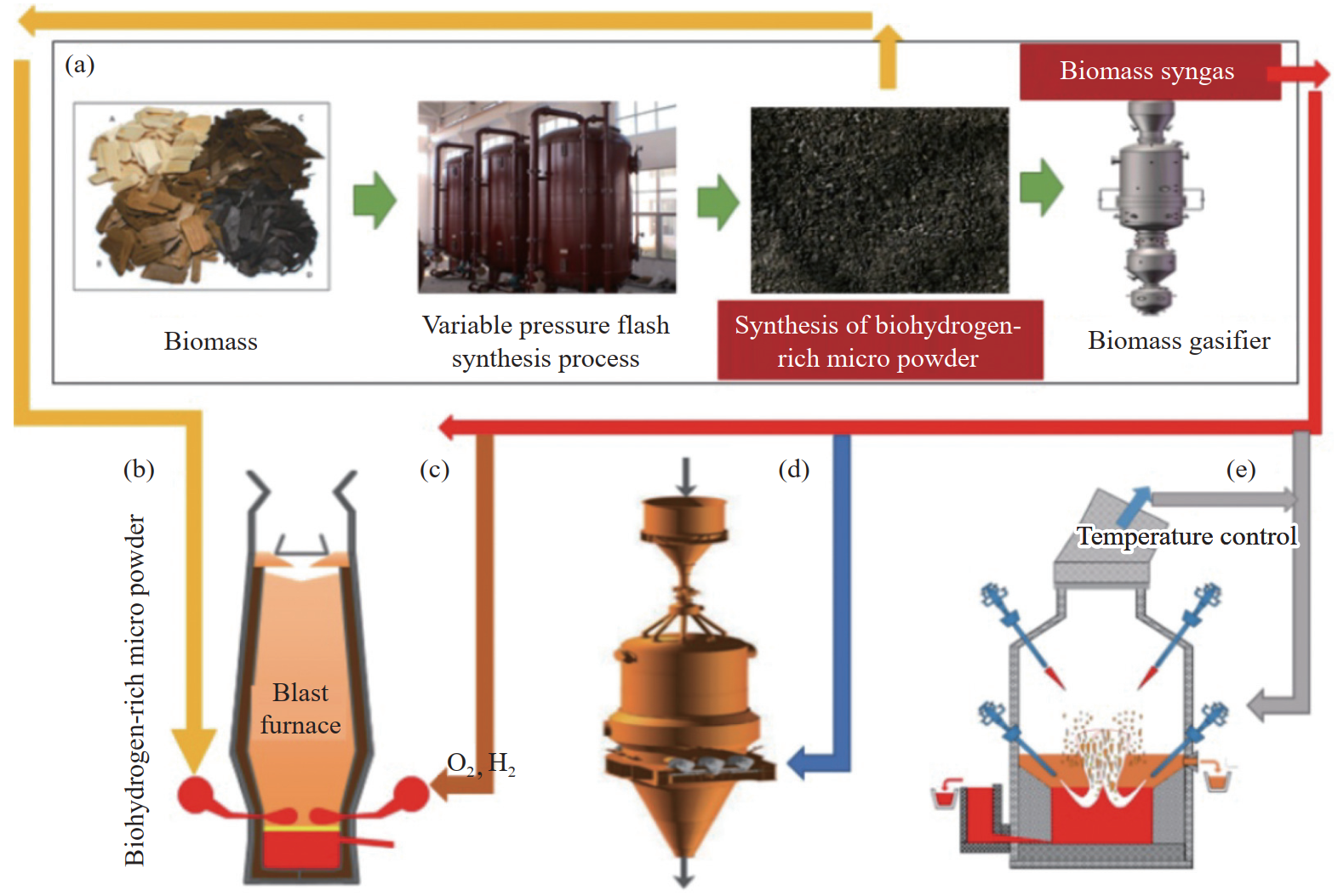
Hydrogen metallurgy low-carbon ironmaking technologies
LOW-RANK COAL INJECTION: BLAST FURNACE FUEL DIVERSIFICATION AND CLEAN & EFFICIENT UTILIZATION
Facing scarce premium coking coal in China, ZHANG revolutionized blast furnace operations by establishing a coal assessment system based on effective calorific value 2–3. This innovation enabled efficient use of low-rank coal and reduced resource dependency. His team further developed a real-time combustion temperature model and a simulation device to optimize injection efficiency. These breakthroughs, standardized nationally (GB/T 33969—2017), won China’s 2016 National Science Progress Award and 2018 Metallurgy Prize. Implemented at POSCO, TATA, Baowu and more than 30 other global mills, the innovation generated over 3 × 10⁹ ¥ savings while supporting international expansion under the Belt and Road Initiative. The accompanying technical monograph solidified industry adoption.
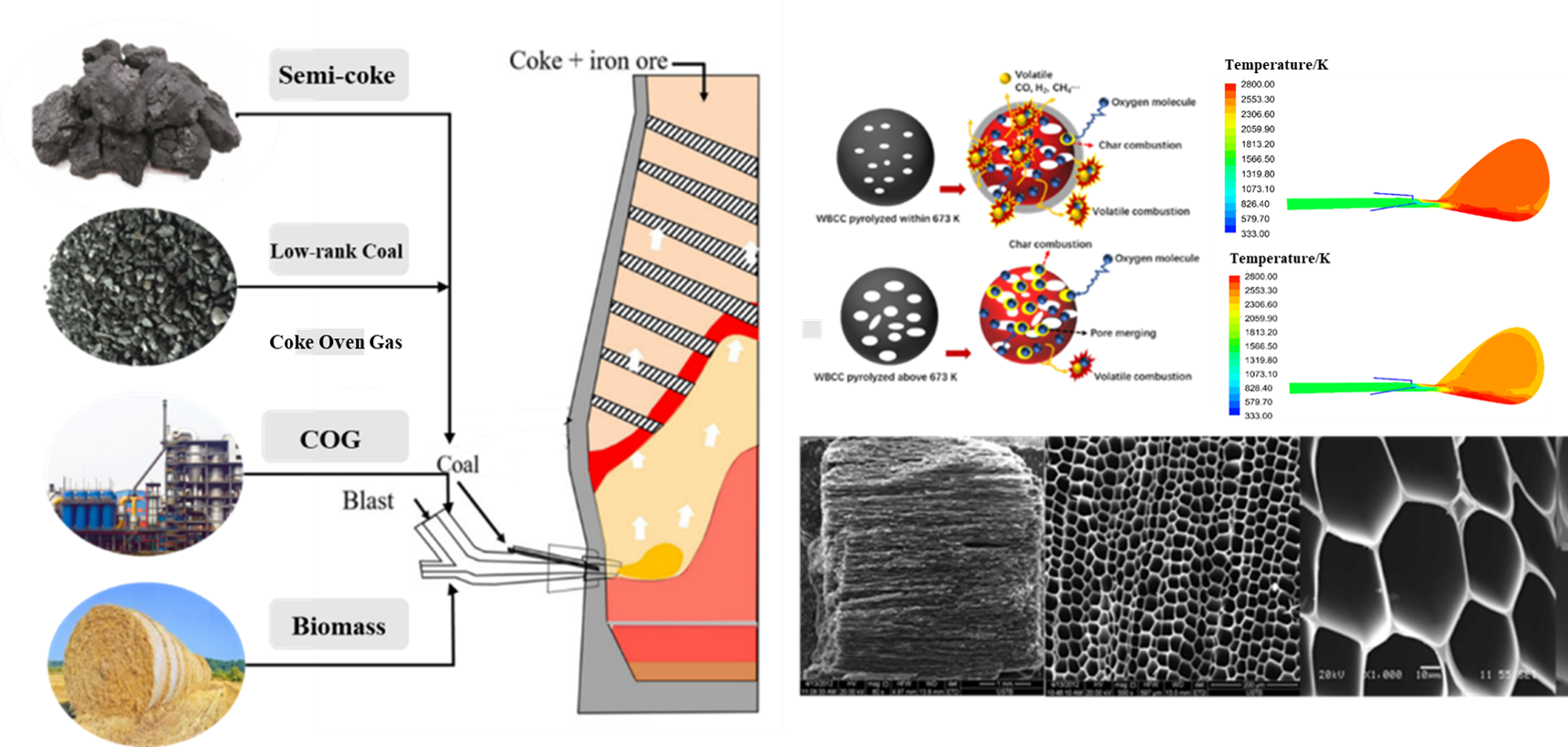
Clean and efficient fuel injection into blast furnaces
SELF-REPARING FURNACES: ENDING HEARTH DISASTERS
More than 900 blast furnaces in China suffer frequent hearth burn-throughs, risking lifespan and output of the furnaces. ZHANG’s eureka moment came during furnace dissections: “Graphite crystallization is a furnace’s immune system.” His team developed a real-time monitoring platform that promotes protective graphite layers on refractory surfaces. This replaces titanium injection—a method that reduces smelting efficiency—and extends furnace lifespans from 6.3 to 20 a. Deployed in more than 20 furnaces, it saved ¥1.52 × 10⁹ ¥ and won the 2022 Metallurgical Science Prize.
COPPER–STEEL HYBRID COOLERS: DEFYING MATERIAL LIMITS
ZHANG’s team also addressed short equipment lifespan in high-temperature smelting by pioneering copper–steel composite welding for coolers 4. This patented technique eliminates single-material limitations, cutting copper use by 50% while extending cooling wall lifespan from 6.3 a to 15–20 a. Critical components now operate damage-free for over a decade. Generating 8.84 × 10⁸ ¥ in savings, the technology is deployed across China’s steel and non-ferrous smelting industries. Recognized as globally leading by Academician ZHANG Wenhai and HU Zhenghuan, it won 2020 Metallurgy Technology Prize.
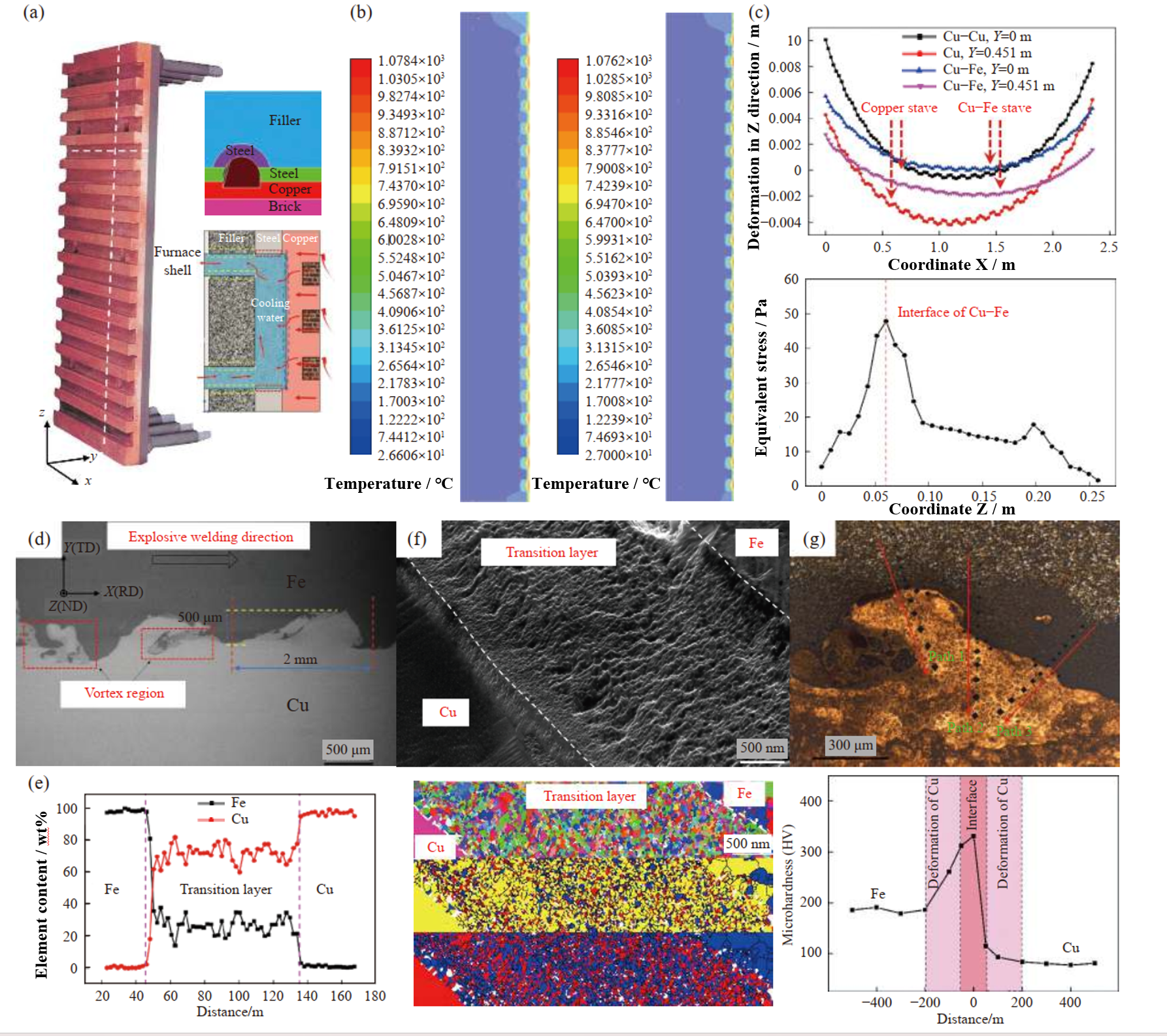
Manufacturing and characterization of copper–steel composite cooling wall
USTB’S GLOBAL FOOTPRINT
Ranked No. 1 in metallurgy worldwide for six consecutive years, USTB leads through collaboration. ZHANG chairs China’s Joint Working Group on Hydrogen Metallurgy Standards and serves as Guest Editor for the first hydrogen-themed special issue of the International Journal of Minerals, Metallurgy and Materials (IJMMM). Partnerships with MIT, RWTH Aachen, and industry giants like POSCO and TATA have exported USTB’s technology to more than 30 countries.
GREEN HYDROGEN: THE FINAL FRONTIER
“Cost remains the barrier,” ZHANG admits. His team now focuses on renewable-powered electrolysis and reactor design. With China targeting 1.5 million tons of hydrogen-based iron by 2025, USTB’s innovations may soon make zero-carbon steel the norm, not the exception.
REFERENCES
1. Zhang, J. et al. Metallurgical Industry Press (2024).
https://doi.org/10.1007/978-981-99-6827-5
2. Zhang, X. et al. J. Cleaner Prod., 306, 127259 (2021).
https://doi.org/10.1016/j.jclepro.2021.127259
3. Li, K. et al. Energy Fuels, 29(11), 7178-7189 (2015).
https://doi.org/10.1021/acs.energyfuels.5b02064
4. Zhang, H. et al. Mater. Des., 154, 140-152 (2018).
https://doi.org/10.1016/j.matdes.2018.05.027
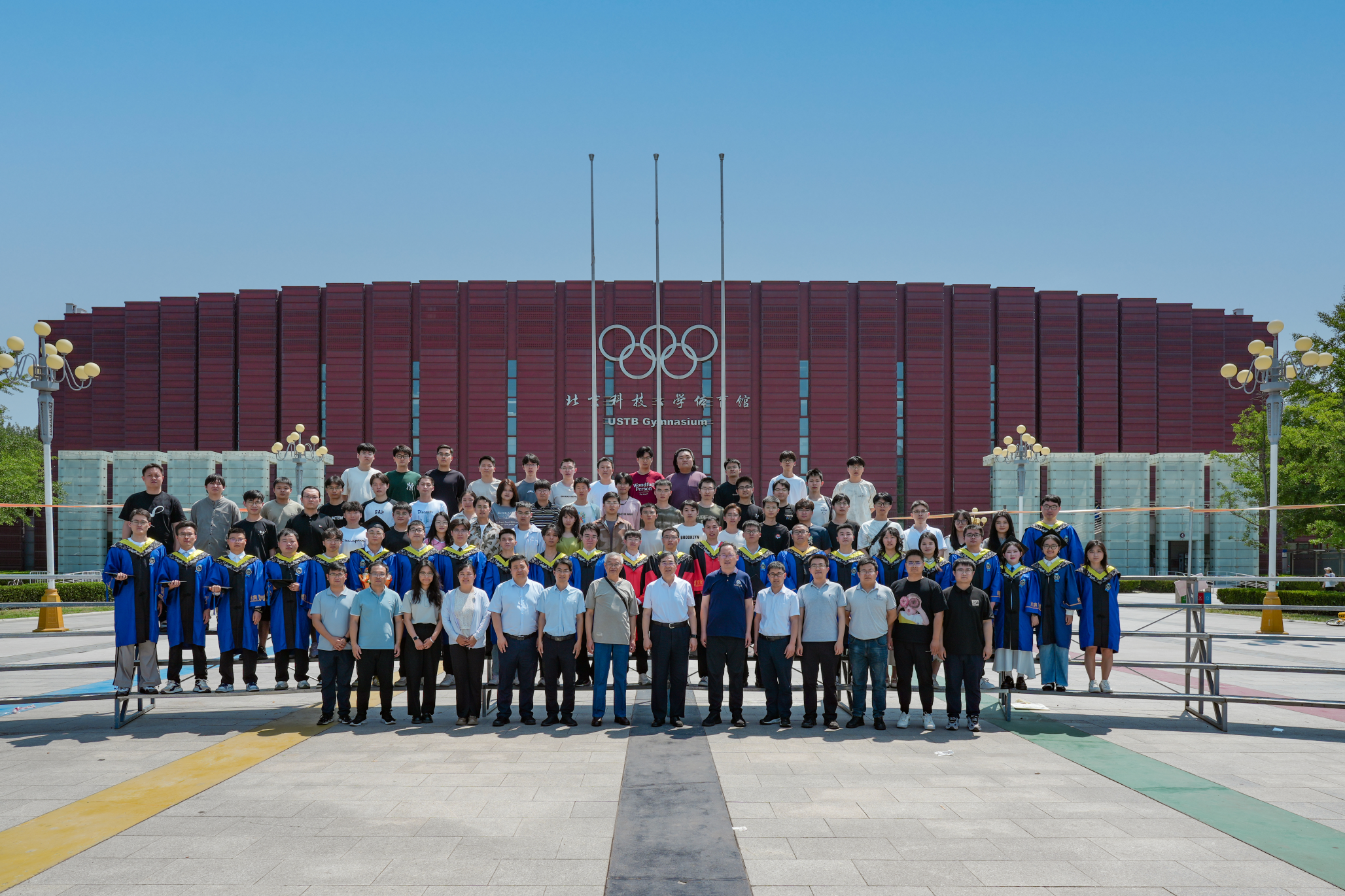
Group Photo of Prof. Jianliang Zhang’s Team (June 2025)
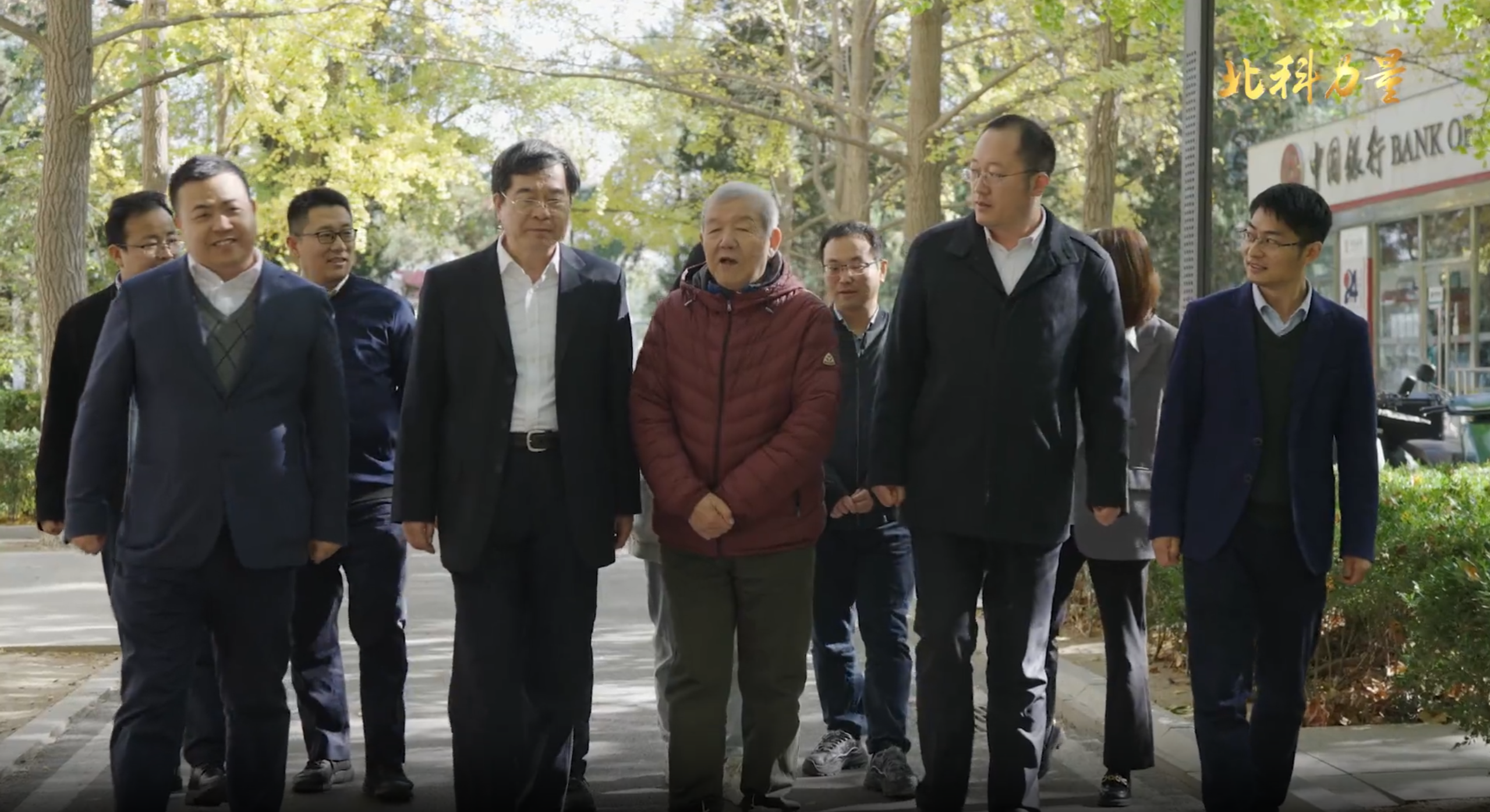
Professors from Zhang’s Team
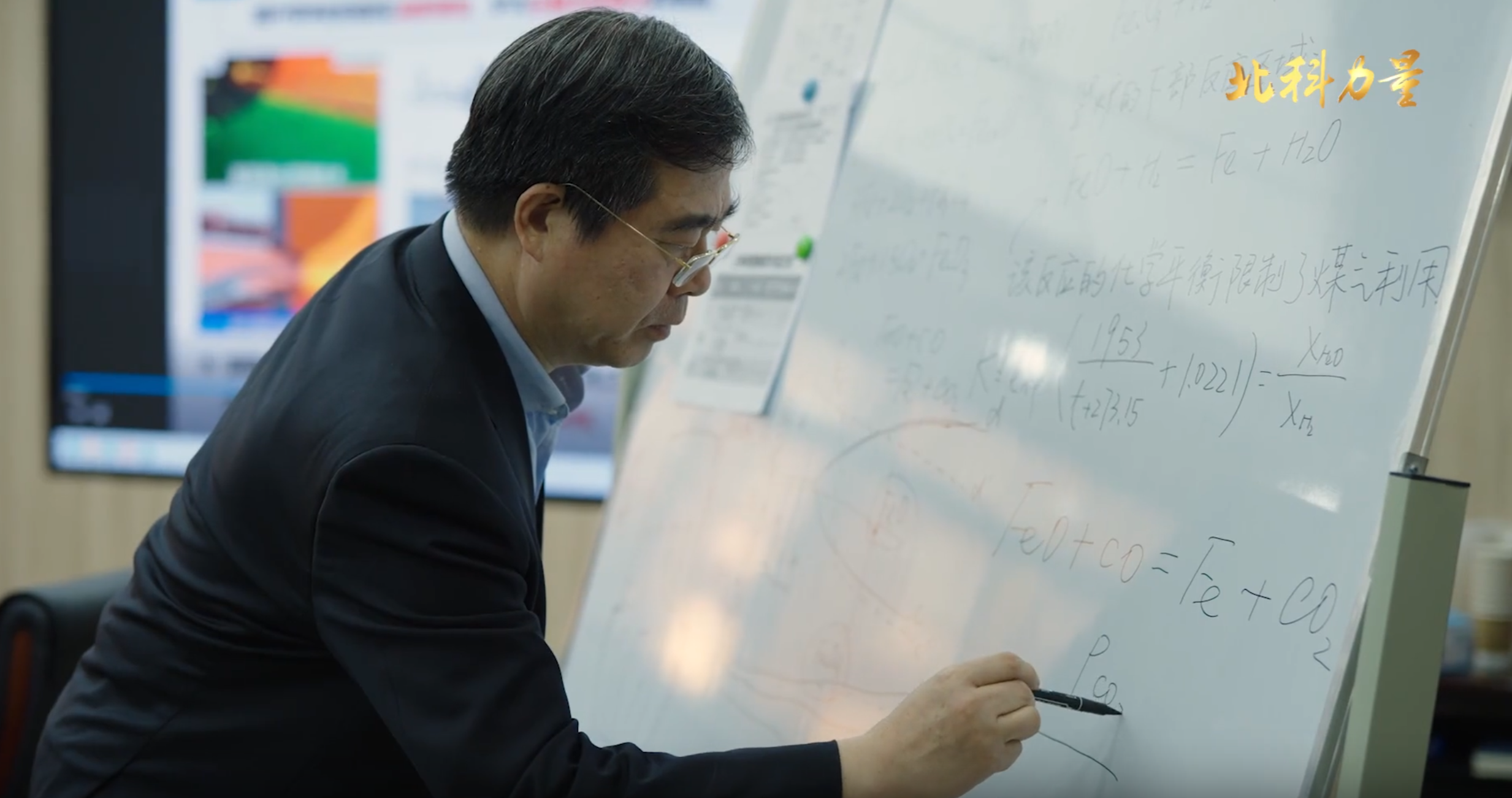
Prof. Jianliang Zhang Teaching in the Classroom
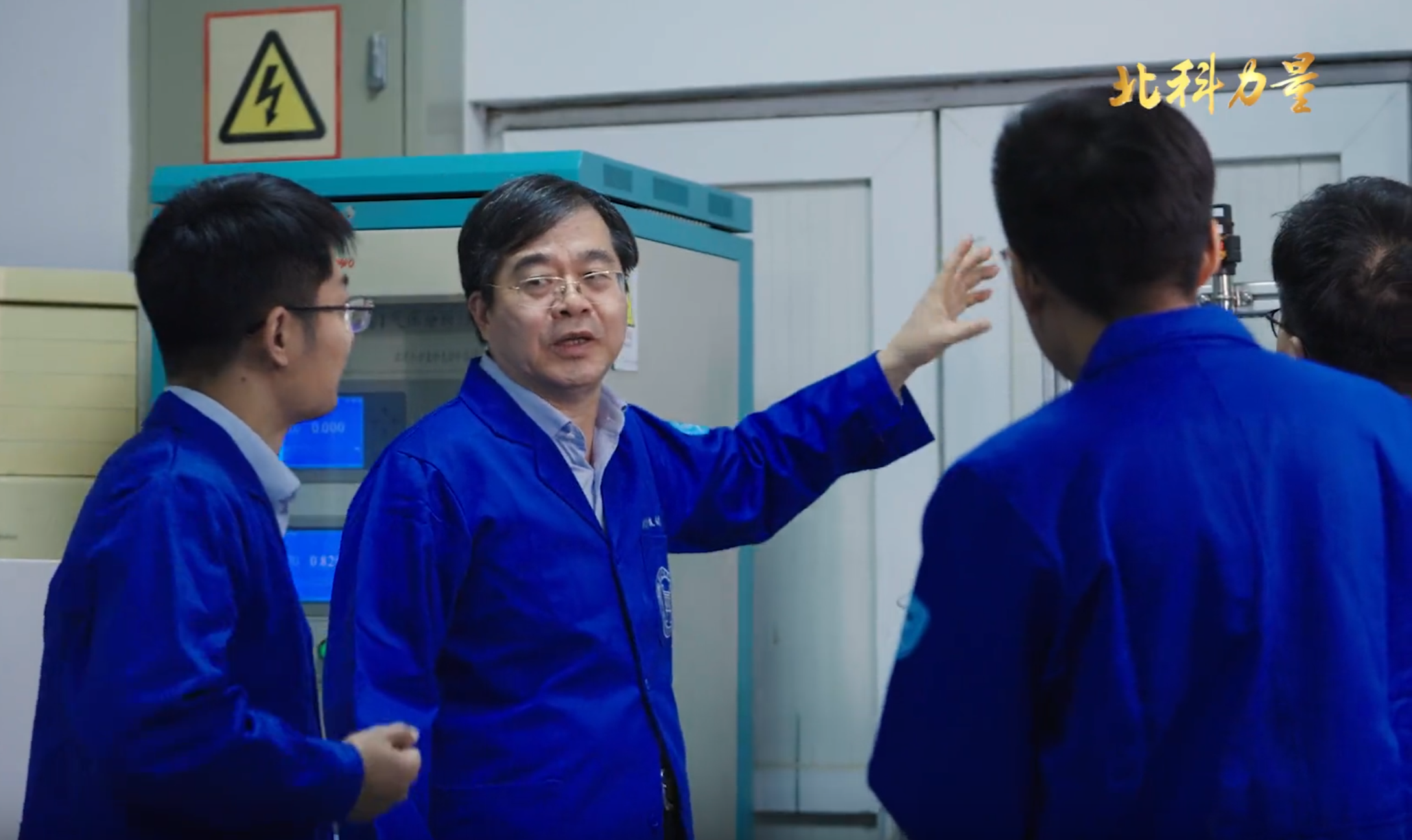
Prof. Jianliang Zhang Guides Students During an Experiment